Training Achievements “Ethical Management – Not a Choice, but a Necessity” August Morning Le…
페이지 정보
작성일 26-03-12 11:06
본문
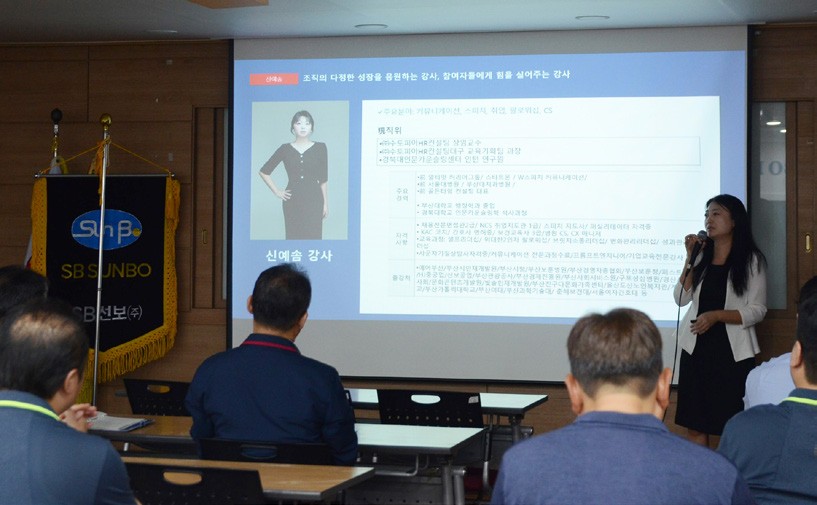
SB Seonbo held its August morning special lecture on August 6 at the training center of the Dadae Plant 1.
The lecture, titled “Ethical Management – Not a Choice, but a Necessity,” was delivered by Ye-Som Shin, an instructor from Sutopia HR Consulting Co., Ltd. The session covered the fundamental principles, importance, and core elements of ethical management, as well as its scope and strategic value. It also explained the differences between ethical management and compliance management, and introduced representative case studies of ethical management practices in Korean companies.
Through this lecture, the Seonbo family had the opportunity to reaffirm the importance of ethical management and reflect on practical ways to implement it, strengthening their commitment to acting as responsible members of the organization.
Ethical management refers to a management approach in which a company goes beyond simply complying with laws and regulations, making decisions and taking actions based on the moral values and fair standards expected by society.
1) Transparency
• Achieving open and transparent management through the disclosure and sharing of information
• Maintaining openness in areas such as accounting, management decision-making, bidding processes, and human resources
2) Fairness
• Ensuring fair treatment for all stakeholders, including employees, partners, and customers
• Providing equal opportunities and implementing evaluations and compensation based on objective standards
3) Responsibility
• Acknowledging and taking responsibility for the outcomes of organizational decisions and actions
• Building a culture that does not avoid accountability when ethical practices fail
4) Trust
• Establishing trust both inside and outside the organization through consistent actions and the fulfillment of commitments
• Trust serves as a key asset that determines customer loyalty and brand value
5) Sustainability
• Implementing strategies that consider long-term survival and social responsibility rather than short-term profit
• Creating ethical value linked to ESG (Environmental, Social, and Governance) principles